
Global trade routes adapt to changing logistics patterns
Shippers and ocean carriers are quietly redrawing service maps, with new Asia–Africa, Asia–Middle East and intra-Asia lanes gaining weight as buyers diversify sourcing geographies.
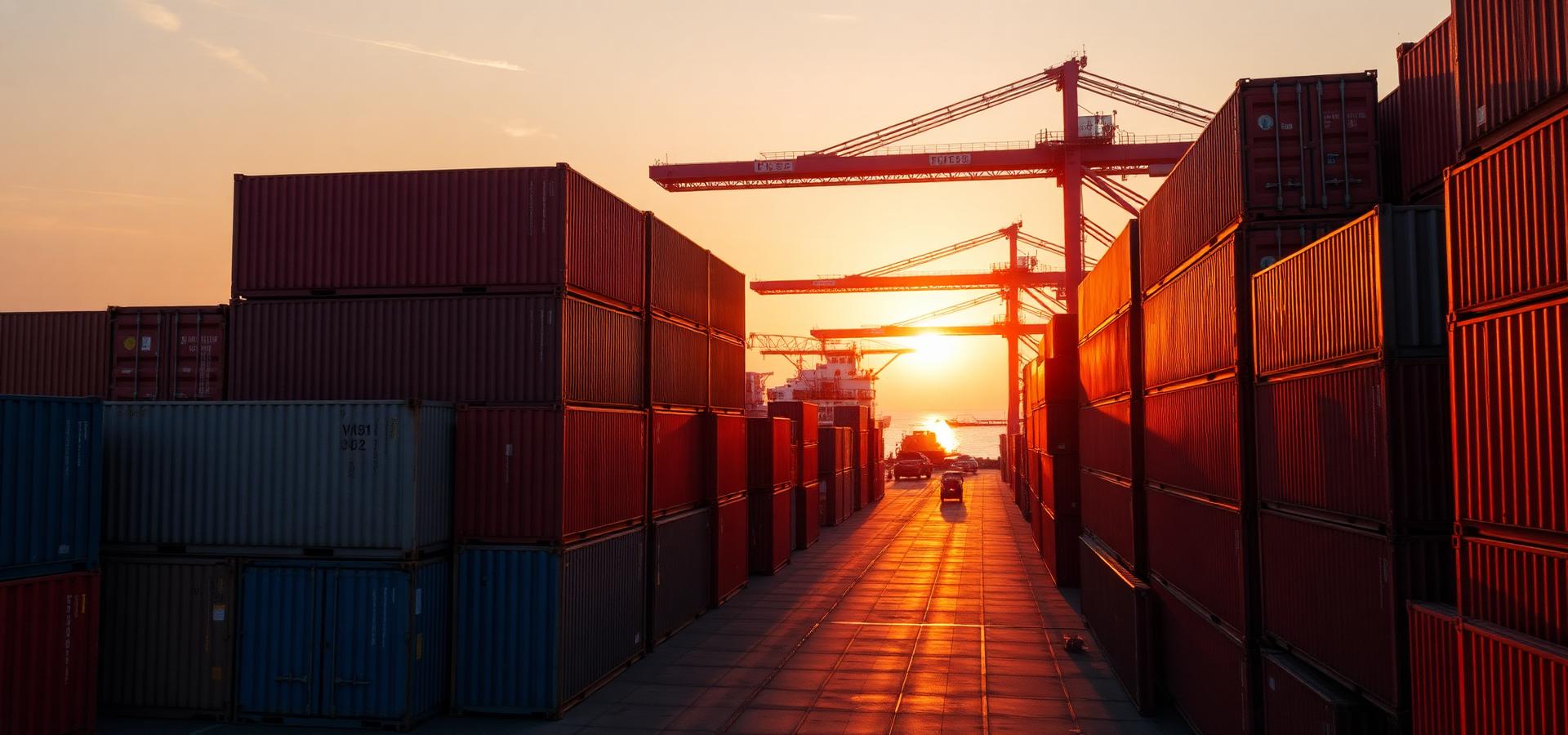
Global trade routes are quietly being redrawn. Ocean carriers and large shippers are rebalancing service maps to reflect a structural shift in buyer behaviour, with more cargo moving on Asia–Africa, Asia–Middle East and intra-Asia lanes than at any point in the past decade. The change is gradual rather than abrupt, but the cumulative effect on supply-chain design is significant.
Several factors are driving the realignment. Large buyers continue to diversify their sourcing footprints to reduce concentration risk, a process that began during the pandemic-era disruptions and has only accelerated since. Geopolitical considerations, freight-cost arbitrage and the growth of African and Middle Eastern consumer markets are all playing a role.
For India, the shift has been broadly favourable. Container volumes through major Indian gateways have grown steadily, supported by rising exports to the Gulf and East Africa, and by the country's increasing role as a transhipment hub for South Asia. Carriers have responded by adding direct services that previously routed through Colombo or Jebel Ali.

Inland logistics remains the bottleneck most often cited by exporters. While port-side capacity and reliability have improved, the cost and predictability of moving cargo from inland production hubs to gateway ports continues to constrain throughput on several corridors. Investment in dedicated freight rail and multi-modal terminals is gradually addressing the gap.
Looking ahead, analysts expect the broad pattern of trade-lane diversification to continue, with the strongest growth concentrated on routes connecting Asian manufacturing to Middle Eastern and African demand. Shippers that build flexibility into their carrier and routing choices will be best placed to benefit.