
India strengthens position in global rice export market
Shipments of non-basmati and parboiled rice from eastern Indian ports climbed sharply in the first half of 2026, with Southeast Asian importers placing larger forward orders amid tightening regional supply.
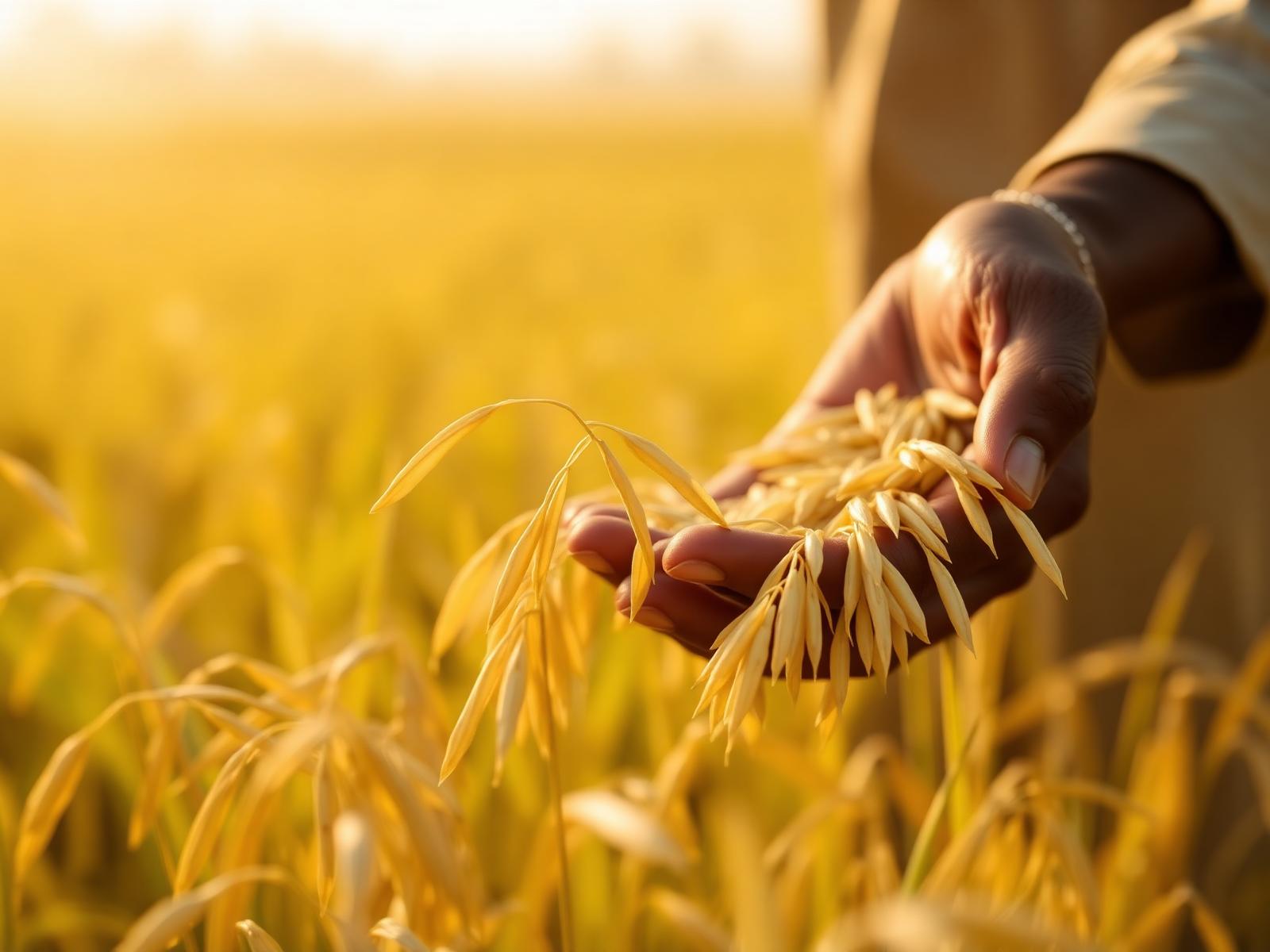
Indian rice exporters are entering the second half of 2026 with one of the strongest order books seen in nearly a decade, as importers across Southeast Asia and West Africa lock in forward volumes to offset uncertain harvests in competing origins. Shipments out of Kolkata, Haldia and Kakinada climbed by an estimated 14% year-on-year in the April–May window, according to trade body data reviewed this week.
The momentum is being driven primarily by parboiled and non-basmati varieties, which together account for the bulk of Indian rice flowing into Indonesia, Malaysia, the Philippines and a growing list of West African buyers. Industry executives say that pricing has remained competitive even as freight costs have edged upward, helped by the relative weakness of the rupee and stable domestic procurement.
Traders also point to a structural shift in buyer behaviour. Several Southeast Asian state buyers have moved from spot purchasing to multi-month contracts, citing the need to insulate domestic food inflation from sudden supply shocks. That has lengthened order horizons for Indian millers and improved working-capital visibility across the export chain.
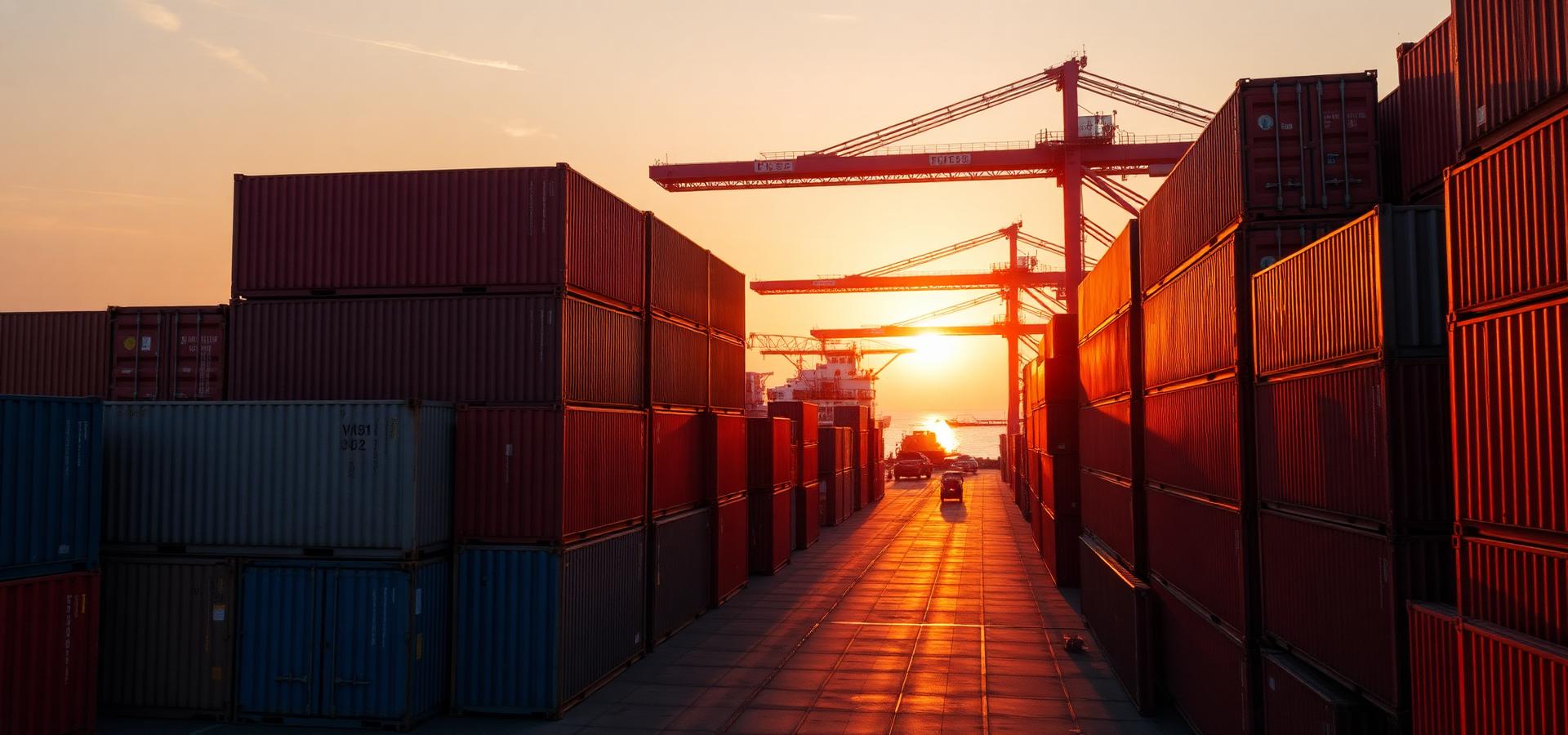
Logistics remains the variable to watch. Port congestion at major South Asian gateways has eased compared with last year, but inland evacuation — particularly rake availability for movement from milling hubs to port — continues to constrain throughput in peak weeks. Industry groups are pushing for dedicated commodity corridors and additional reefer-capable container capacity to support the segment's growth.
Looking ahead, analysts expect Indian rice to retain a meaningful share of incremental global demand through 2027, provided monsoon conditions hold and policy on export duties remains stable. For now, the export desks of major Indian millers are reporting their busiest summer in years.