
Construction material trends indicate market stability
Cement, steel and aggregate prices have settled into a narrower band through the spring, giving project developers and contractors a clearer runway for the coming construction season.
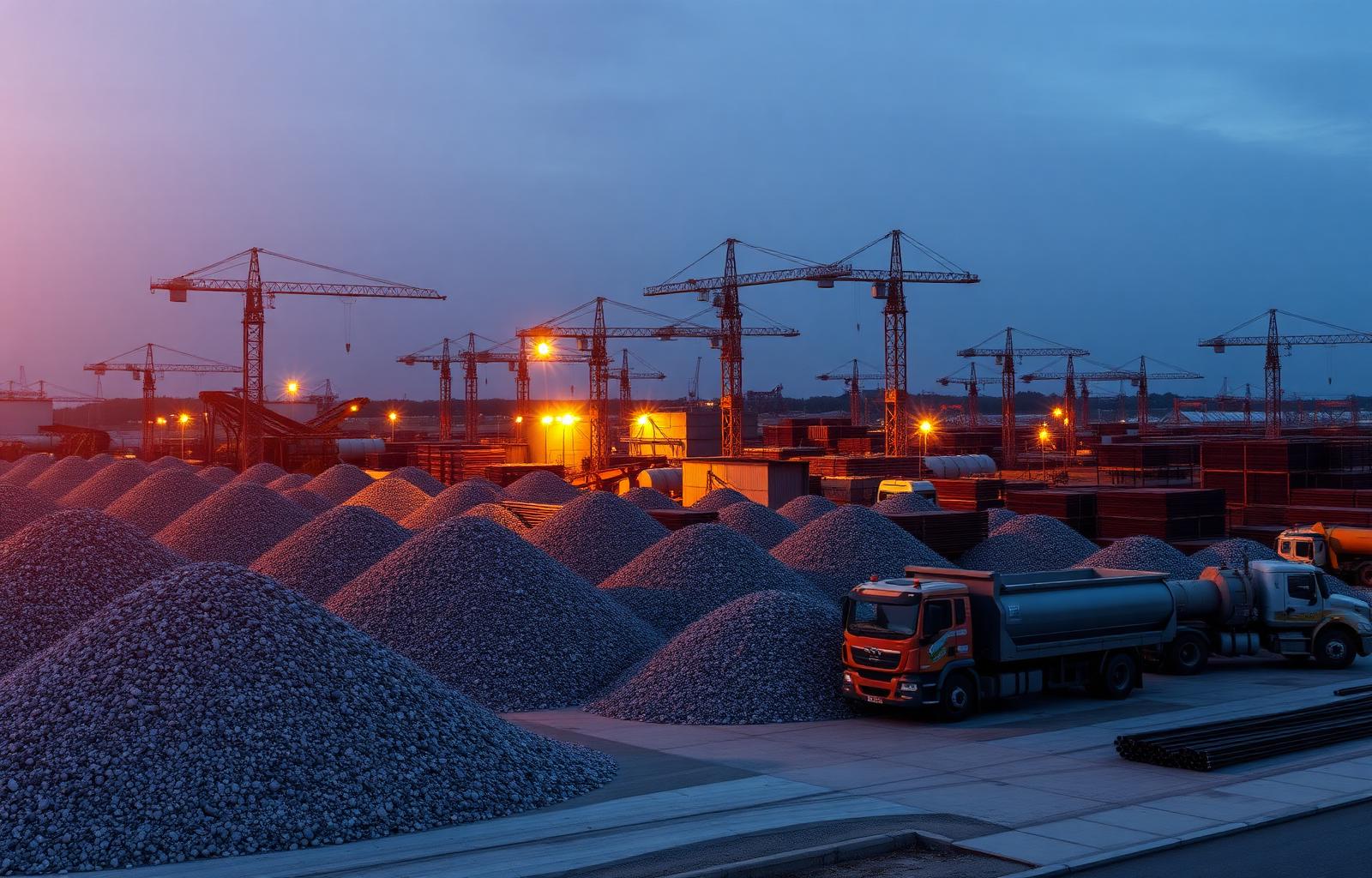
After two years of unusually volatile input pricing, India's construction materials market is showing signs of settling into a narrower trading band. Spot prices for cement, long steel and key aggregates have moved within a relatively tight range through April and May, according to industry surveys, easing one of the bigger sources of execution risk for developers and contractors.
Stabilising raw material costs — particularly imported coking coal and scrap — have supported the trend, alongside healthy domestic production from major cement and steel makers. Demand remains firm, anchored by a robust public-sector infrastructure pipeline and steady residential construction activity in the top urban markets.
Industry executives are cautiously optimistic. While monsoon-related disruptions and any global energy shock could quickly reset the picture, the present moment offers a relatively predictable cost environment for new project starts and for re-bidding on packages that had been delayed.
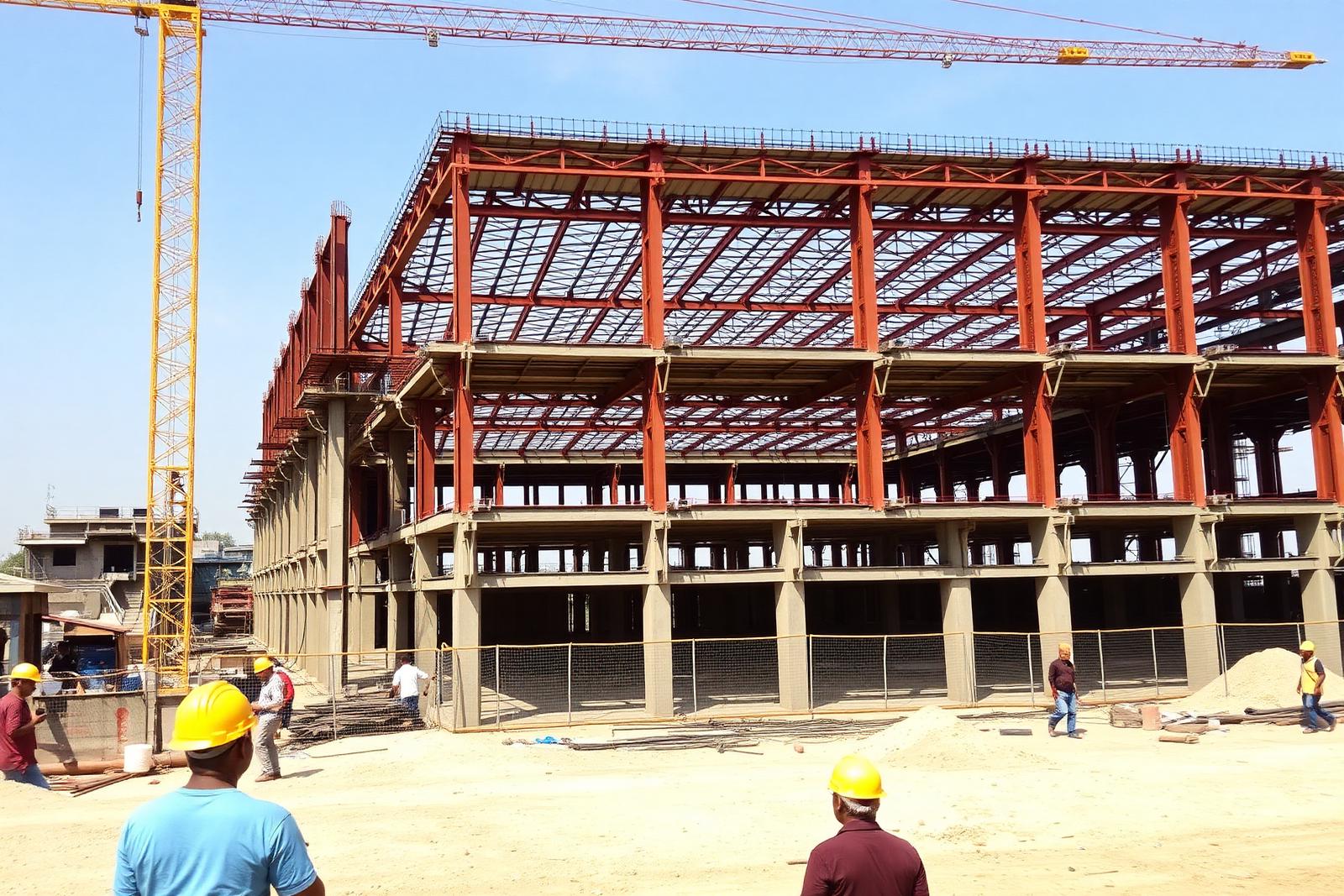
For developers, the more durable shift is structural: cement and steel makers continue to invest in capacity expansion and decarbonisation, with blended cements, green steel and recycled aggregates gradually moving from pilot scale to mainstream procurement. Procurement teams that build these alternatives into their specifications today are likely to enjoy both pricing and emissions advantages over the next cycle.
Looking ahead, most analysts expect material costs to remain range-bound through the second half of 2026, barring an external shock. That stability, more than any single price level, is what the industry has been waiting for.