
Eastern India sees growing infrastructure investments
State and central capital outlays are converging on eastern India, with new road, port-connectivity and urban projects coming online across West Bengal, Odisha and Jharkhand.
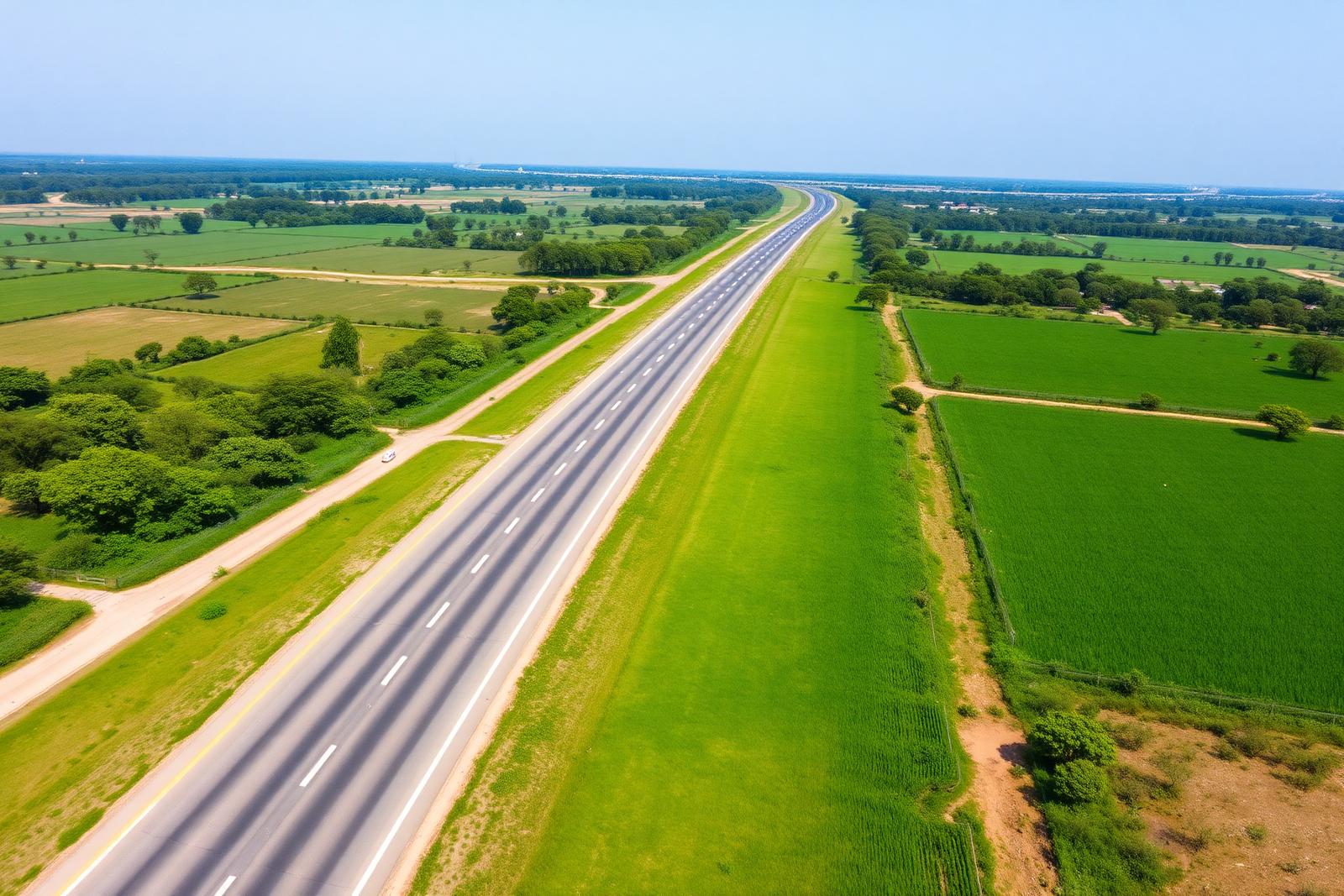
Eastern India is quietly becoming one of the most active infrastructure markets in the country, with a combination of expressway upgrades, freight-corridor connectivity and urban renewal projects moving from sanction into execution. Capital outlays for the region have risen for three consecutive fiscal years, according to recent budget data.
The activity is anchored by national highway expansion programmes connecting industrial belts in Odisha and Jharkhand to the ports of Paradip, Dhamra and Haldia, alongside parallel investments in dedicated freight rail. Together, these projects are expected to materially reduce inland logistics costs for the region's mineral, steel and agricultural exports.
Urban infrastructure is moving in parallel. Several Tier-II cities — Bhubaneswar, Ranchi, Siliguri and Asansol among them — have begun executing long-pending water, drainage and mass-transit projects supported by a mix of central, state and multilateral funding. Contractors describe the current pipeline as the deepest seen in eastern India in over a decade.
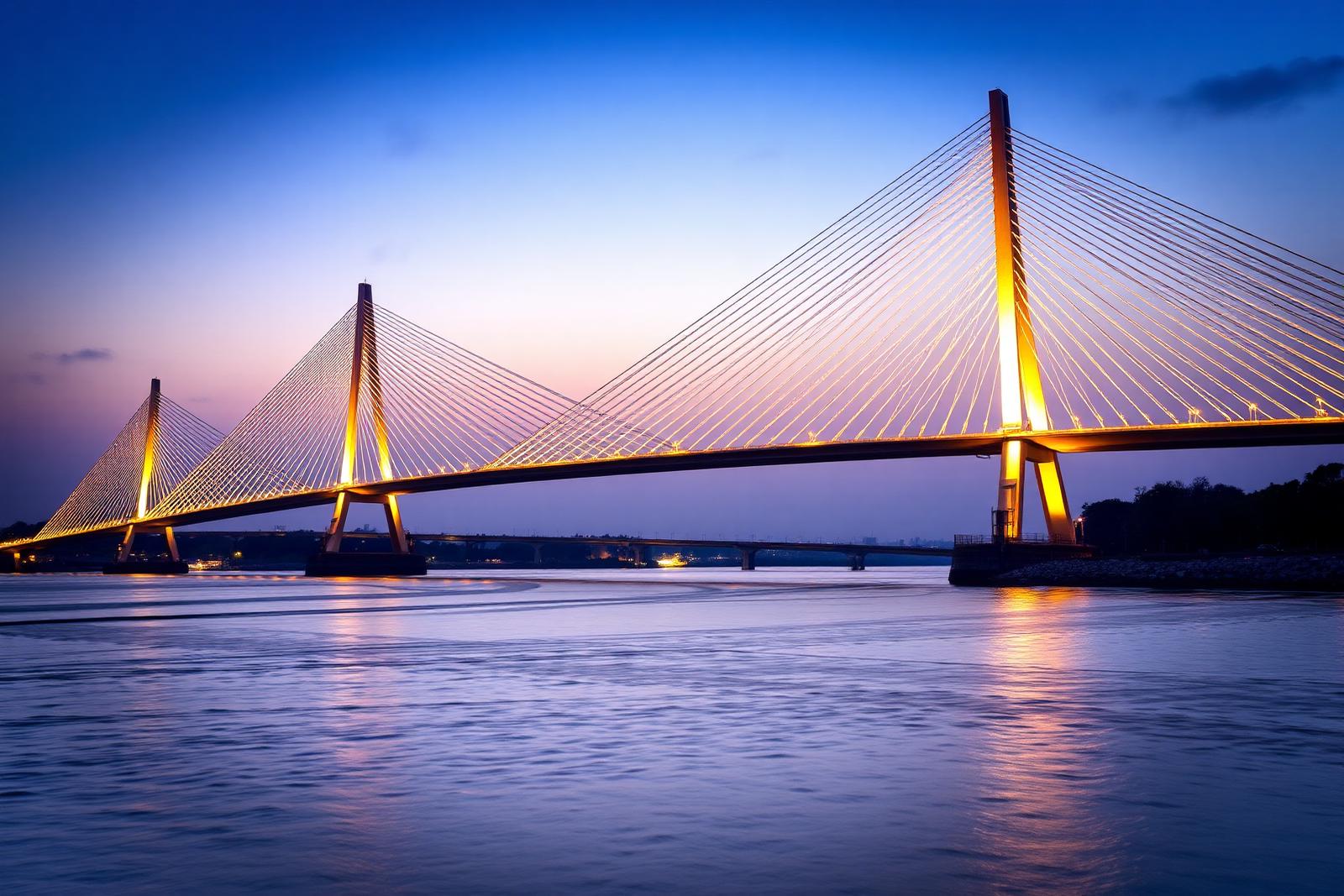
Execution capacity, however, remains the constraint. Skilled labour migration patterns, monsoon disruptions and right-of-way clearances continue to push back milestone dates on several large packages. Industry bodies are urging more disciplined sequencing of awards and earlier land handover to keep timelines on track.
Despite the friction, the medium-term outlook remains constructive. Analysts expect eastern India to outpace the national average in infrastructure capex growth through 2028, reshaping the cost-to-port maths for industries from minerals to processed foods.