Why mixed-use wins
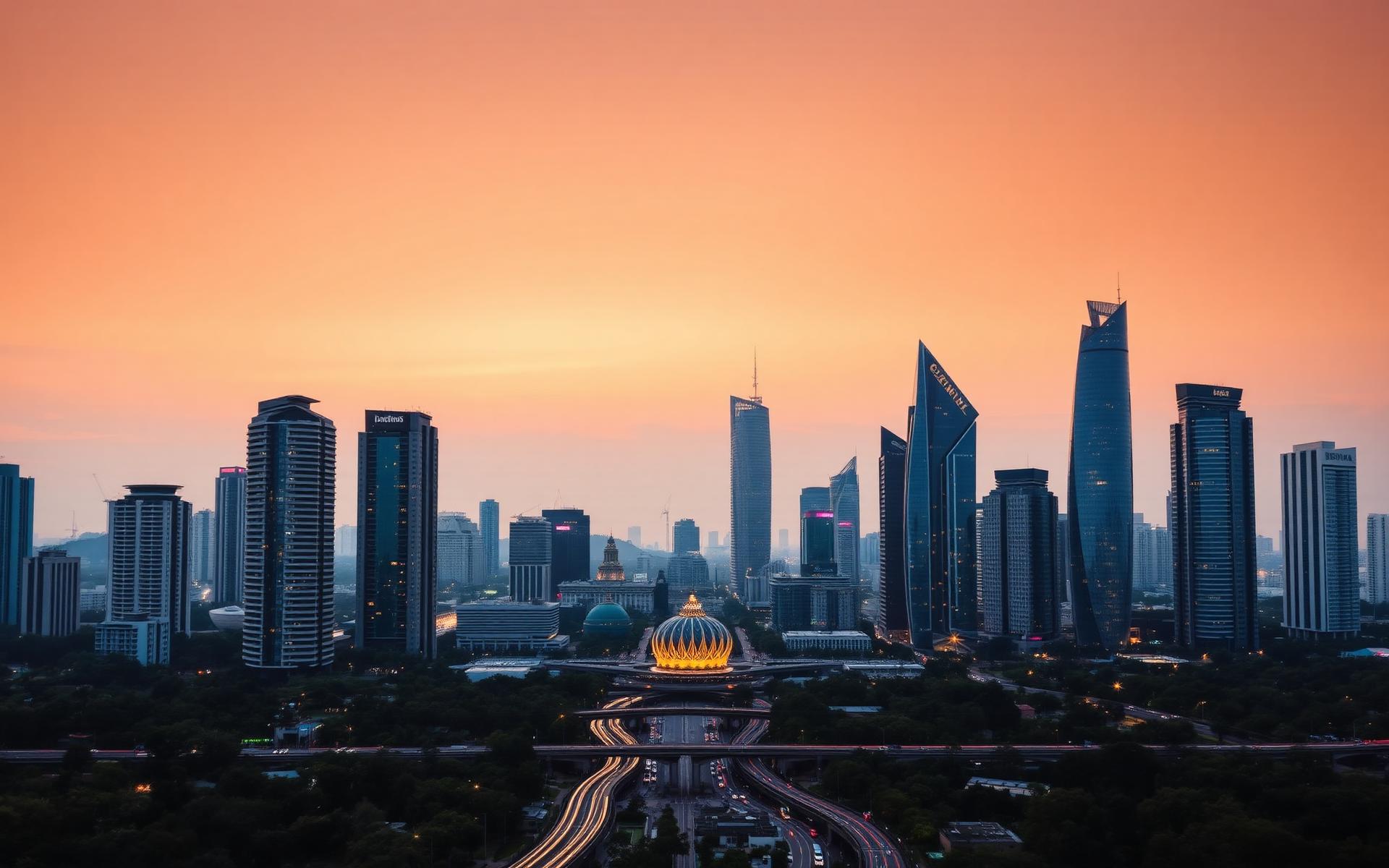
Residents get cafés, schools, offices, healthcare and parks within minutes. Cities get reduced traffic loads, denser tax bases and more resilient neighbourhoods. Developers get long-term asset values backed by a diversified tenant mix that does not collapse when any one sector slows. Everyone wins quietly — which is exactly why this model is spreading.
Designing for the full day
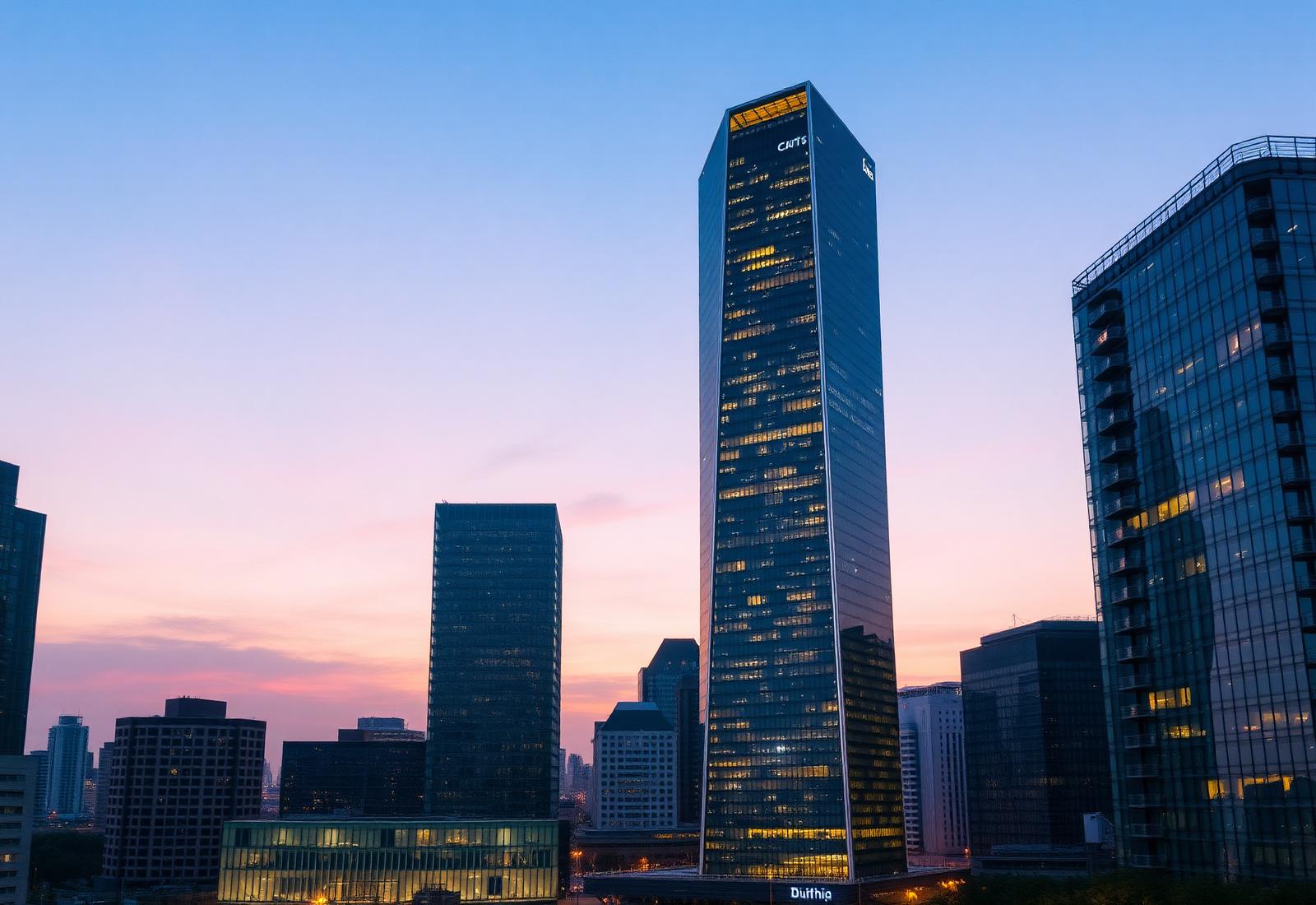
A successful mixed-use community is alive at 7 a.m., busy at 1 p.m. and inviting at 9 p.m. That rhythm only comes from intentional zoning, ground-floor activation and a thoughtful blend of residential, commercial and civic spaces. We design daypart by daypart — morning runs, midday lunches, evening strolls, weekend programming — and then build the architecture around those moments.
The infrastructure underneath
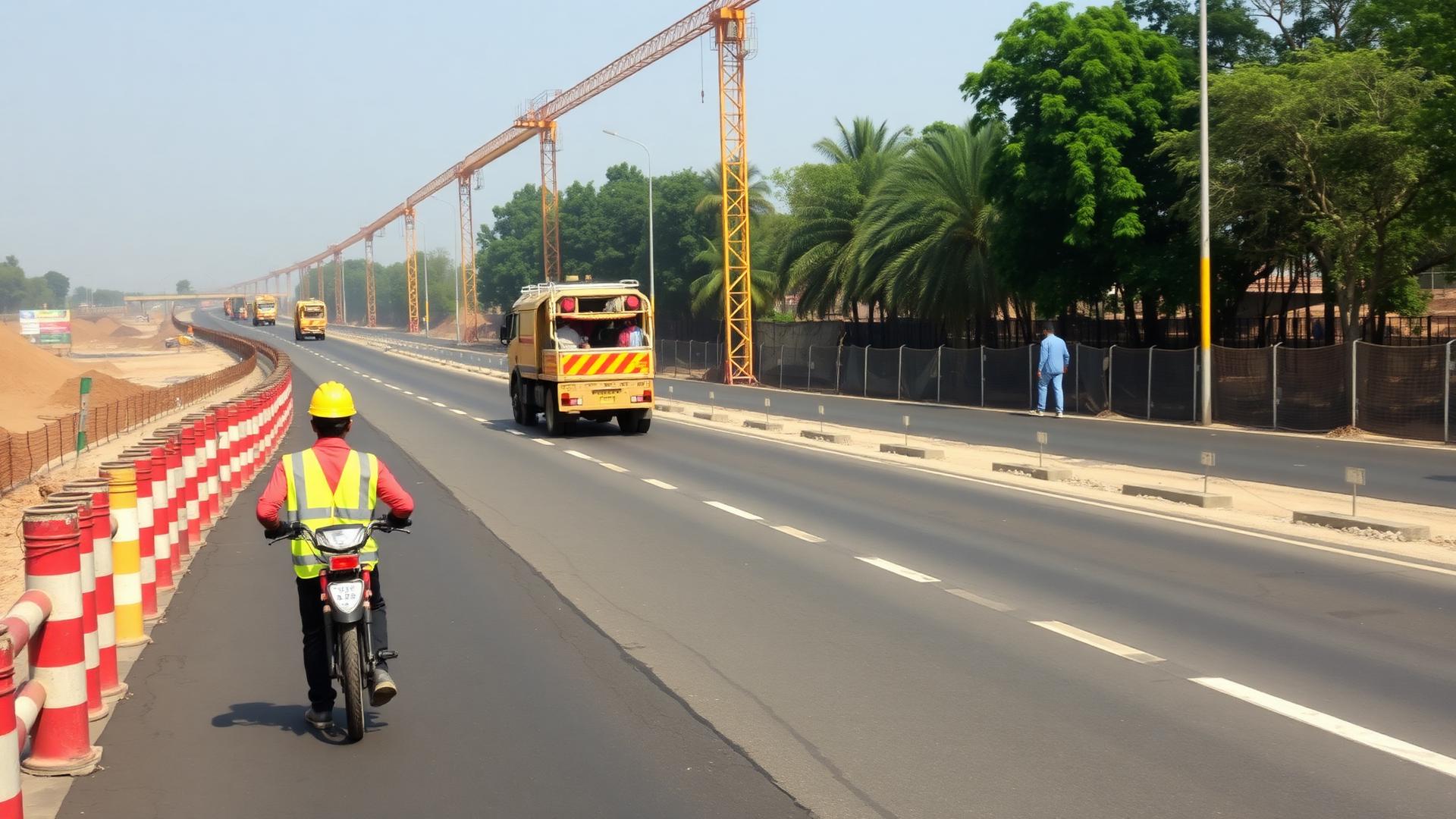
Mixed-use only works when the boring parts work. Power redundancy, sewage capacity, last-mile mobility, parking ratios and digital infrastructure must be engineered for the highest-density scenario from day one. Retrofitting is expensive and disruptive; oversizing the basics at launch is the cheapest insurance a master plan can buy.
The next decade
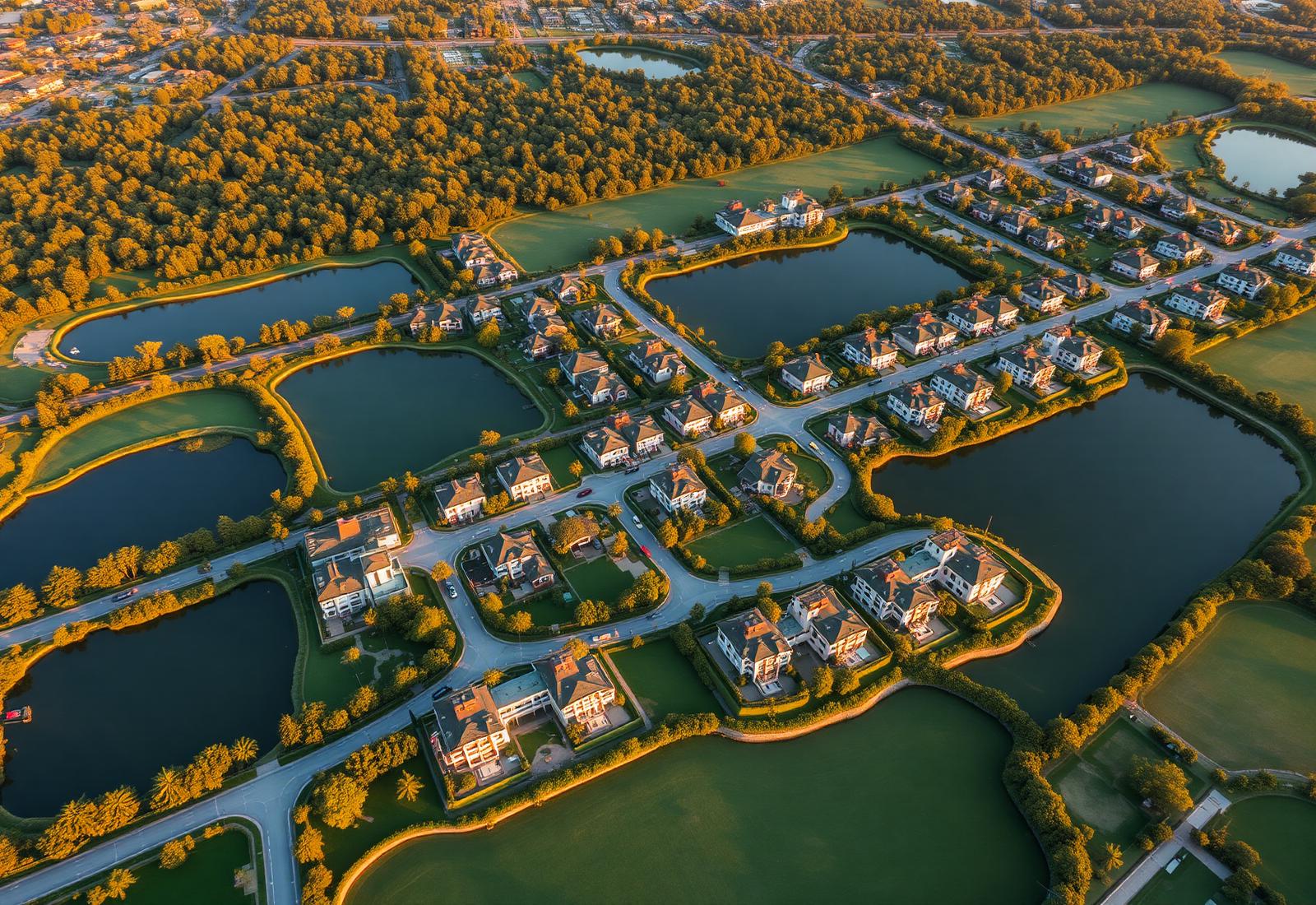
Mixed-use is no longer an exception — it is becoming the default. Our upcoming master plans are built around this idea: neighbourhoods you can live an entire life inside, without losing the city around you. We expect more than half of premium urban supply in India to follow this template by 2030.
Great cities are built one walkable neighbourhood at a time.