Low-carbon construction
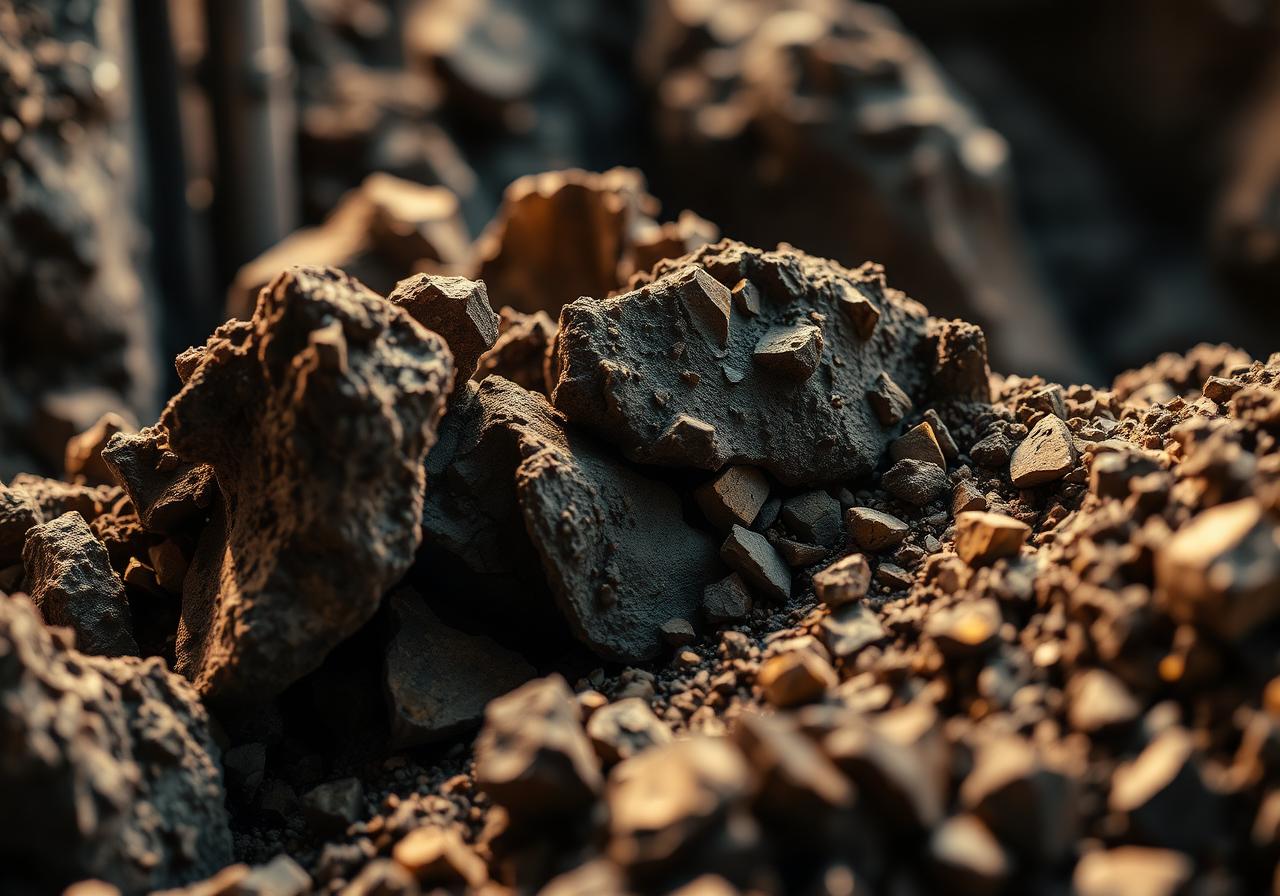
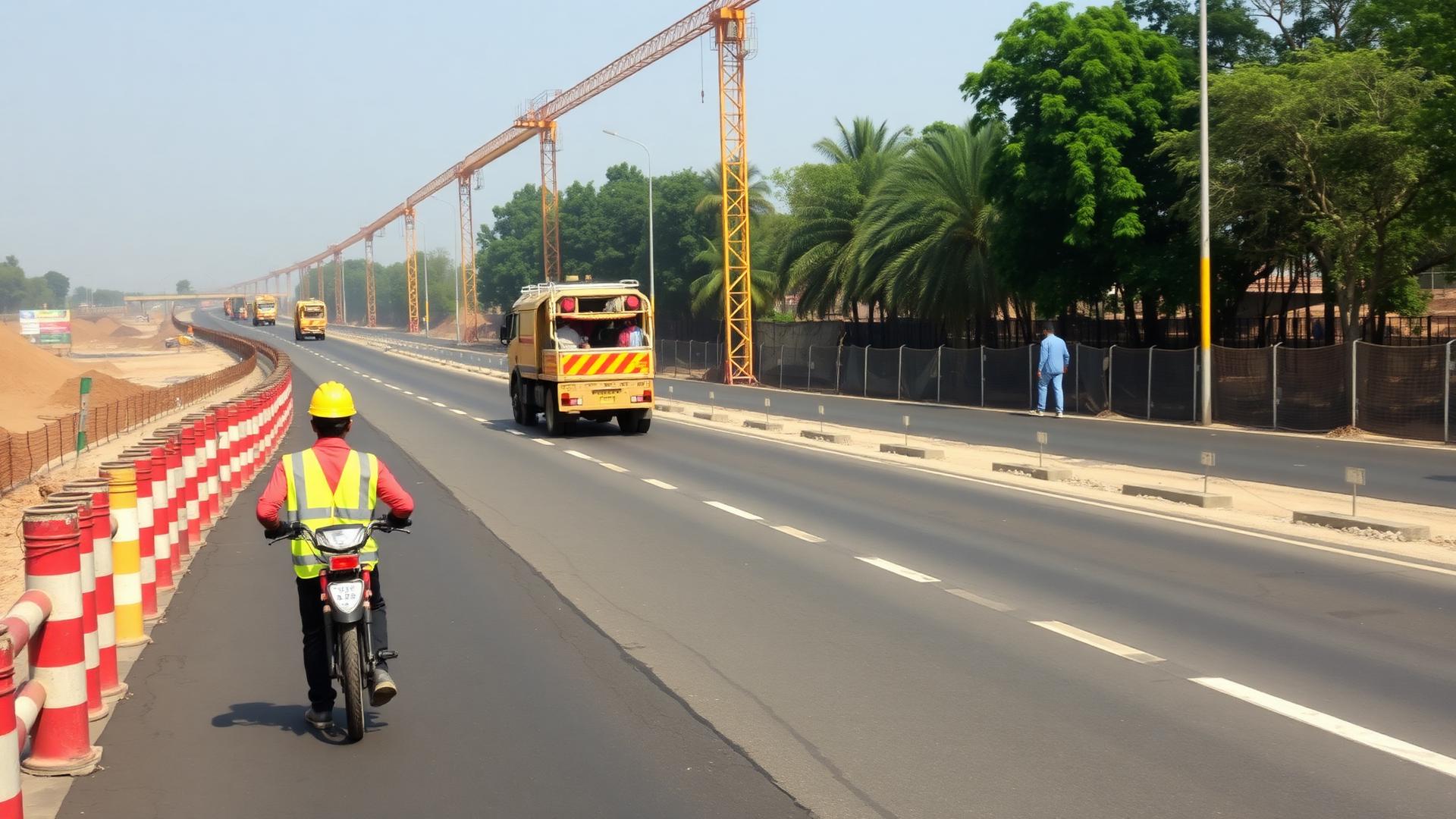
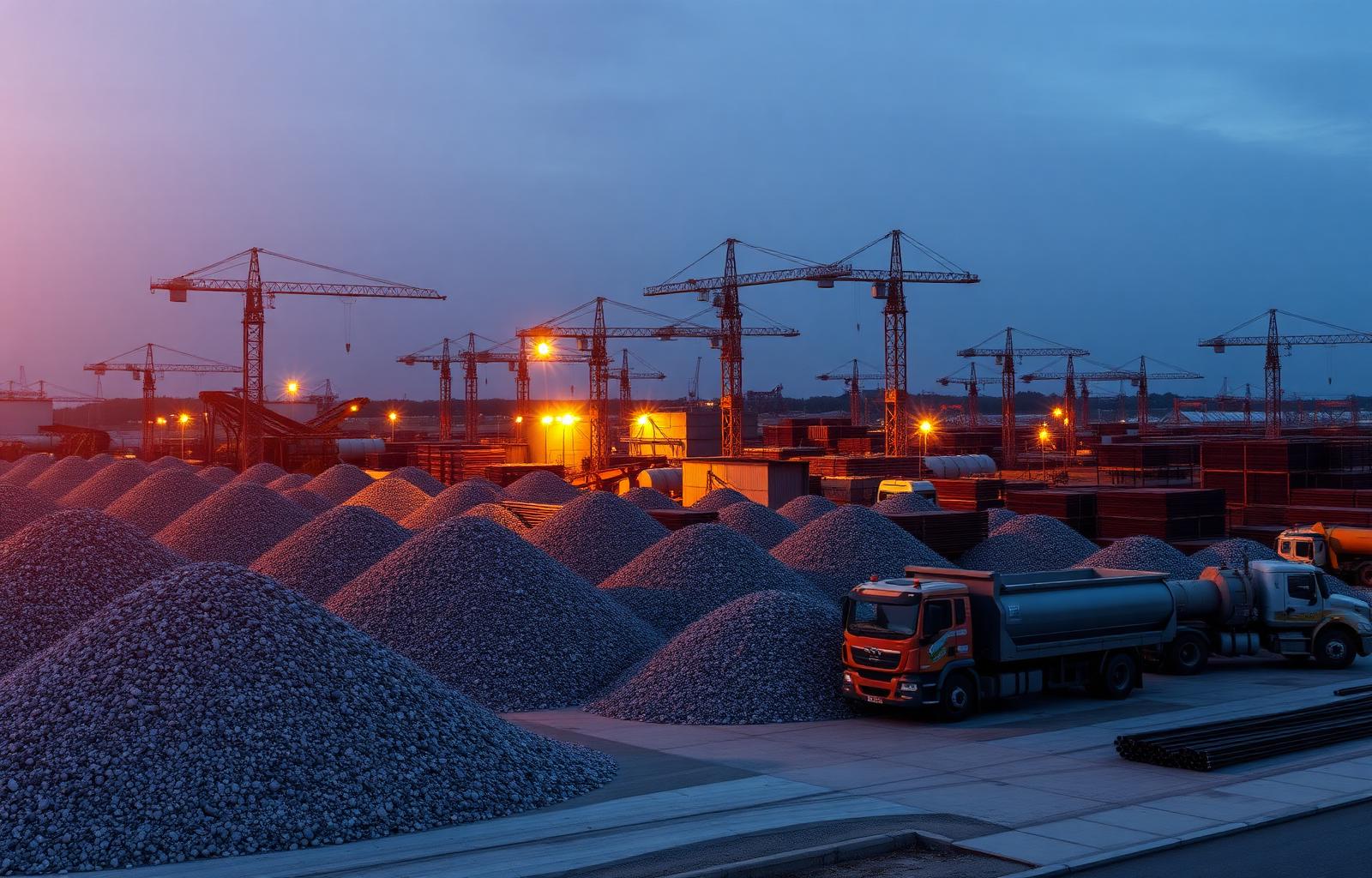
From blended cements and ground-granulated blast furnace slag to recycled aggregates and on-site renewable power, our projects increasingly substitute high-emission inputs with sustainable alternatives — without compromising on structural performance. The lifecycle savings are quietly enormous: a single major highway package can cut embodied carbon by 20–30% with no impact on cost.
Designing for a 100-year life
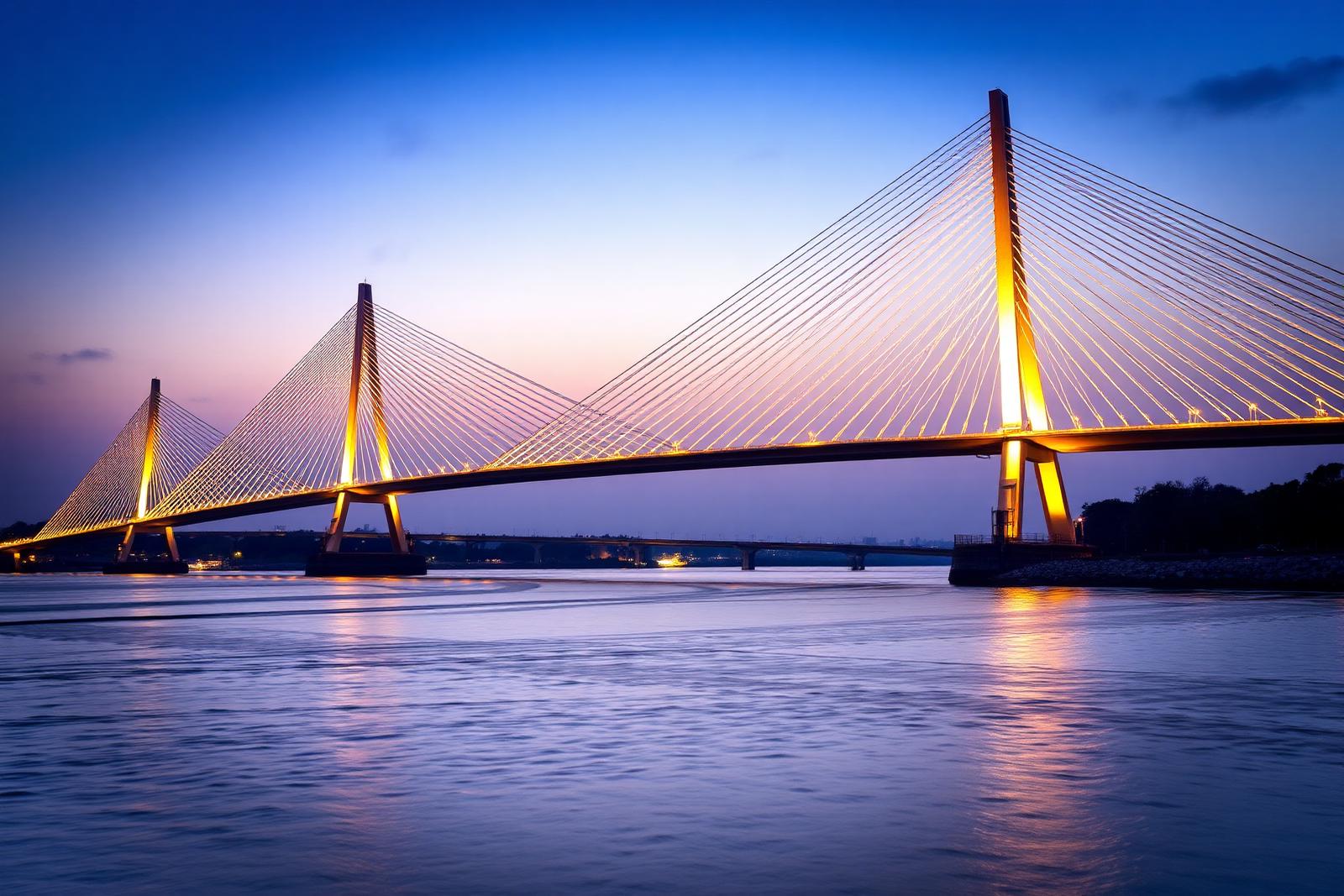
Resilient roads, scour-protected bridges and corrosion-resistant detailing extend project life and reduce lifetime carbon dramatically. The greenest infrastructure is the one that does not need to be rebuilt. We design for the climate of 2070, not the climate of 1990 — and that single decision flows into pavement composition, drainage capacity and structural redundancy across every project.
Communities at the centre
Every alignment is reviewed for community impact — drainage, displacement, livelihood, access. Real sustainability is environmental, economic and social at the same time. A road that improves a region's GDP but cuts a village off from its market is not a sustainable road. We treat community consultation as engineering input, not paperwork.
Digital twins and predictive maintenance
Modern infrastructure is instrumented from day one. Sensor networks, digital twins and AI-driven predictive maintenance let us catch fatigue, scour and structural drift years before they become failures. The result is a quieter kind of safety — issues addressed in a maintenance window, instead of in a crisis.
Real infrastructure is invisible — it lets a country forget it exists and just get on with growing.